
"Robusta export"
2000 article(s) found

A brief introduction to the History and Culture of the Origin and Development of Vietnamese Fine Coffee beans
Vietnam's geographical location is very favorable for coffee cultivation. Southern Vietnam has a hot and humid tropical climate, which is suitable for growing ROBUSTA coffee, while the north is suitable for growing ARABICA coffee. Coffee production in Vietnam has the following characteristics: (1) because there is no effective way to deal with fallen leaves, medium-grain coffee was selected as the main variety in the early 1980s. (2) take planting technology as
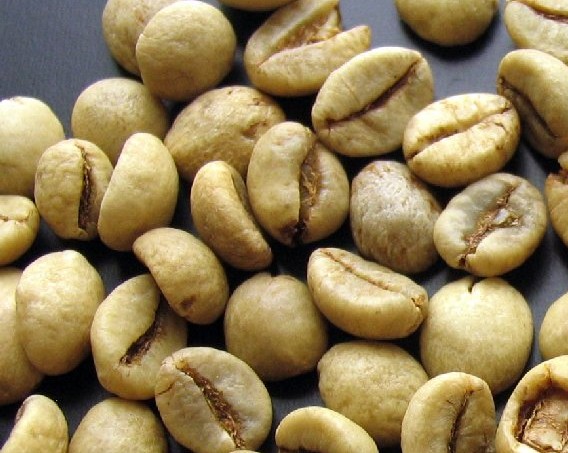
Robusta's secret.
[guide] "Robusta" coffee, commonly known as "thick beans", can be grown at low elevations (200 to 800 meters above sea level), has strong resistance to diseases and insect pests, is not vulnerable to agricultural pests, has a high annual output per unit area, and is harvested in large quantities by machine. in general, the cost of production is much lower than that of Arabica. "Robusta" coffee is commonly known as "stout beans", at low elevations (200 above sea level)
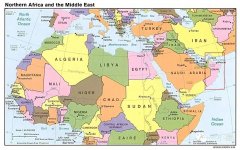
Vietnam ranks third in coffee production in the world and ranks second in the recent increase in coffee production.
Vietnam ranks third in coffee production in the world and ranks second in the recent increase in coffee production. Originally ranked third after Brazil and Colombia, it later surpassed Colombia and rose to second place. Even so, Vietnamese coffee is not very well-known internationally, because most of the exports are not Arabica varieties, but Robusta varieties. Actual situation

On the characteristics and uses of Robusta Coffee beans
"Robusta" coffee, commonly known as "sturdy beans", can be grown at low elevations (200 to 800 meters above sea level), has strong resistance to diseases and insect pests, is not vulnerable to agricultural disasters, has a high annual output per unit area, and is harvested in large quantities by machine. in general, the cost of production is much lower than that of Arabica coffee. "Robusta" coffee usually has an ordinary, rigid and pungent flavor, and because

Exploring the Coffee producing area in Asia-- Vietnam Vietnam is the second country in coffee production in the world.
Exchange of professional baristas Please follow the coffee workshop (Wechat official account cafe_style) the country of the sun in Asia, perhaps near the equator, the impression is always sunny, rice, spices, tropical fruits and Buddhism, this is our general understanding of Asia, in fact, this impression is not far from the personality of Asian coffee. Local conditions are the key to determine the flavor of coffee.

West Java Coffee Bean Varieties with Rich Flavor
At present, 90% of coffee beans exported from Indonesia are Robusta beans and only 10% are Arabica beans. Before 1920, due to a major environmental disaster, Indonesia's coffee varieties were replaced by Robusta beans. Therefore, Sumatra's Mantenin coffee is a rare Arabica bean, which is a treasure before the discovery of Blue Mountain. Such genuine production is also very small

Common sense of Coffee the characteristics and uses of Robusta coffee beans
"Robusta" coffee, commonly known as "sturdy beans", can be grown at low elevations (200 to 800 meters above sea level), has strong resistance to diseases and insect pests, is not vulnerable to agricultural disasters, has a high annual output per unit area, and is harvested in large quantities by machine. in general, the cost of production is much lower than that of Arabica coffee. "Robusta" coffee usually has an ordinary, rigid and pungent flavor, and because

Introduction to the Origin of products and varieties of Ecuador
Ecuador is a large coffee producer and one of the few countries in the world that export all kinds of coffee, including coffee beans, Arabica coffee and robusta coffee. Thanks to its superior location, Ecuador produces the best coffee in South America, meeting the high standards of coffee in Europe and the United States. Different ecosystems make coffee
An introduction to the Historical Origin of Ugandan Coffee beans
Following Ka Pai (Wechat official account vdailycom) found that the Beautiful Caf é opened a shop of its own Uganda fact population: 32 million area: 241038 square kilometers location: located in the Great Lakes region of Africa, with Uganda bordering the Democratic Republic of the Congo to the west; North Sudan; Kenya to the east; Lake Victoria, Tanzania and Rwanda to the south. Capital: Kampala official

Introduction to the characteristics of Indonesian Java Coffee Flavor and Flavor Manor
The history of Java coffee (java Java Coffee) the Dutch first introduced coffee to Central and South America in the 1820s. Coffee spread from the Dutch colonies to French Guiana and Brazil. In the process of colonization, the Dutch grew coffee in Malaba, India, and brought it to Bada in what is now Java, Indonesia, in 1699.

About Robusta coffee beans
"Robusta" coffee, commonly known as "sturdy beans", can be grown at low elevations (200 to 800 meters above sea level), has strong resistance to diseases and insect pests, is not vulnerable to agricultural disasters, has a high annual output per unit area, and is harvested in large quantities by machine. in general, the cost of production is much lower than that of Arabica coffee.

Introduction of Coffee Origin-Asian "Laos, Thailand, Myanmar, Nepal"
Professional baristas Please follow the Coffee Workshop (Wechat official account cafe_style) as for Lao coffee produced in Laos, before the emergence of Europeans in Taiwan coffee enterprises, Lao coffee rarely appeared in Taiwan's raw bean trading system. However, the coffee culture in Laos also began before World War II. In 1927, 90% of the output of the Borofen volcano in Laos was exported to French businessmen and sold to Europe.

Introduction to the characteristics of Indonesian Java Coffee Flavor and Manor production area
The Dutch first spread coffee to Central and South America in the 1820s. Coffee spread from the Dutch colonies to French Guiana and Brazil. During their colonization, the Dutch grew coffee in Malaba, India, and brought it to Batavia in what is now Java, Indonesia, in 1699. The Dutch colony once became Europe.

Taste and flavor characteristics of world-class coffee beans Robusta is worse than Arabica coffee
Professional coffee knowledge exchange more coffee bean information please follow the coffee workshop (Wechat official account cafe_style) Manning's Robsta blood, Arabica beans or Katim or Katim? [the picture above shows the raw beans of robusta * * We use 100% Arabica arabica coffee beans! I believe many people have heard of this advertisement, but the request can be answered.

What are the two major varieties of coffee? what are the differences in the characteristics of Vietnamese Robusta coffee beans?
Professional coffee knowledge exchange more coffee bean information please follow the coffee workshop (Wechat official account cafe_style) front street-Robusta coffee beans introduce the two most important coffee trees in coffee production are Arabica and Robusta. Arabica coffee beans come from the mountains of Yemen and account for about 2/3 of the world's coffee production. In addition, the highlands in the southwest of Ethiopia and Belgium, the Soviet Union

Introduction to the characteristics of Indonesian boutique coffee Java coffee flavor manor area
The Dutch first spread coffee to Central and South America in the 1820s. Coffee spread from the Dutch colonies to French Guiana and Brazil. During their colonization, the Dutch grew coffee in Malaba, India, and brought it to Batavia in what is now Java, Indonesia, in 1699. The Dutch colony once became Europe.

Vietnam, the second largest coffee exporter in the world
Almost all of the world's robusta coffee beans (Robustabean), which are often used to make instant coffee and high-end coffee blends, are exported from Vietnam. Vietnam is the world's second largest exporter of coffee, surpassing Colombia and second only to Brazil. Vietnam has a long history of coffee production, but the development and expansion of its production scale began in the last 20 years. Experiencing
About the characteristics and uses of Robusta coffee beans
Robusta coffee, commonly known as "robust beans", can be grown at low altitudes (200 to 800 meters above sea level), is highly resistant to pests and diseases, is not susceptible to agricultural damage, has a high annual yield per unit area of coffee trees, is harvested in large quantities by machines, and generally costs much less than Arabica coffee. Robusta coffee usually has a bland, dull, pungent flavor, and is
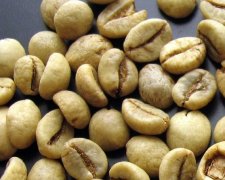
Robusta's secret.
[guide] "Robusta" coffee, commonly known as "thick beans", can be grown at low elevations (200 to 800 meters above sea level), has strong resistance to diseases and insect pests, is not vulnerable to agricultural pests, has a high annual output per unit area, and is harvested in large quantities by machine. in general, the cost of production is much lower than that of Arabica. "Robusta" coffee is commonly known as "stout beans", at low elevations (200 above sea level)
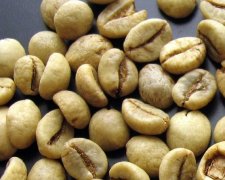
Robusta's secret.
[guide] "Robusta" coffee, commonly known as "thick beans", can be grown at low elevations (200 to 800 meters above sea level), has strong resistance to diseases and insect pests, is not vulnerable to agricultural pests, has a high annual output per unit area, and is harvested in large quantities by machine. in general, the cost of production is much lower than that of Arabica. "Robusta" coffee is commonly known as "stout beans", at low elevations (200 above sea level)